Engineering guides, material comparisons, and industry perspectives from the Stratnel team.
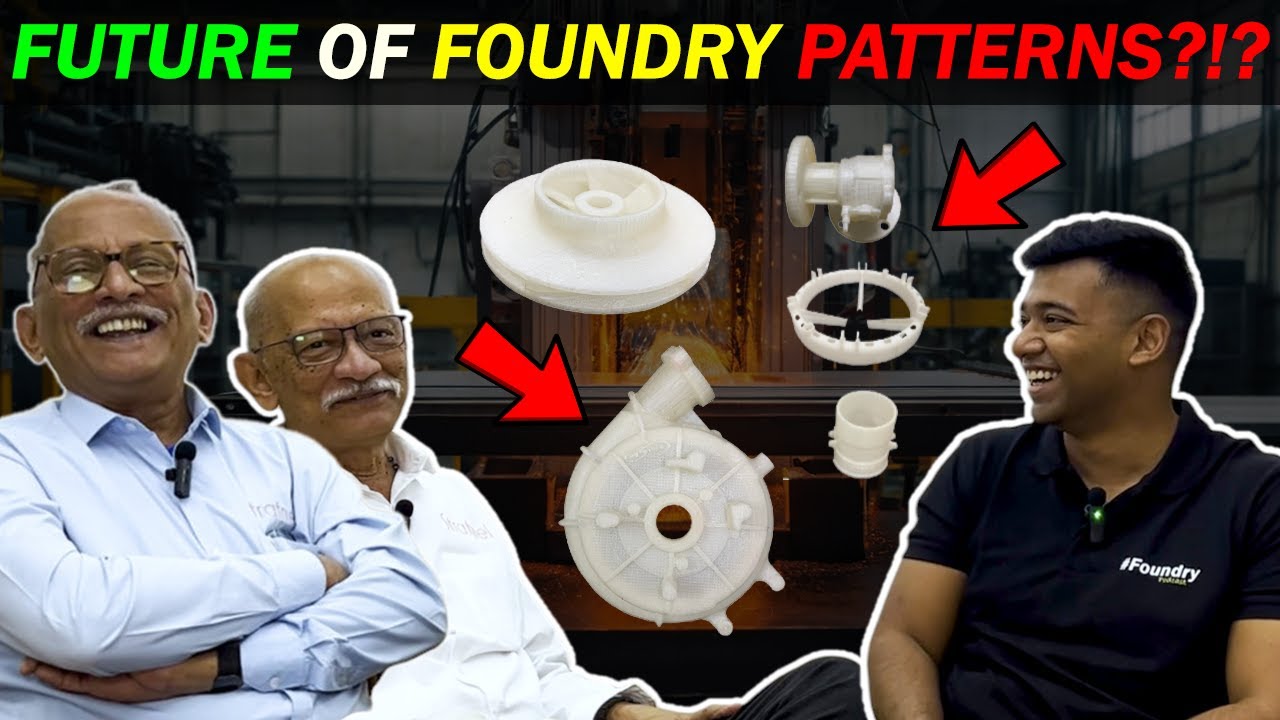
Our founders share the Stratnel story — how an engineering challenge in 2016 led to building one of India's specialist additive manufacturing firms, and where they see the industry heading.
Read Post →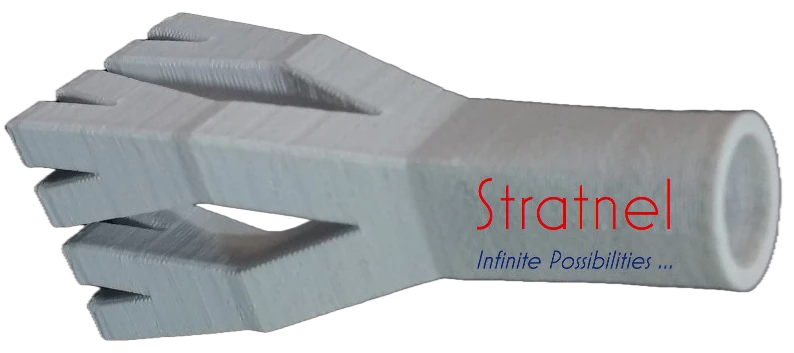
How fractal geometry — from Sierpinski triangles to space-filling curves — creates structures with superior thermal, acoustic, and mechanical properties that are only practical to build via additive manufacturing.
Read Post →
3D printing is not just a manufacturing tool — it is a powerful communication medium. Five ways printing a sample convinces customers, trains students, and proves concepts faster than any CAD diagram.
Read Post →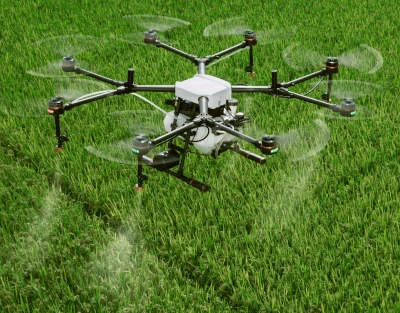
From structural frames to mission-specific payloads, fifteen areas where polymer 3D printing and vacuum casting make the clearest engineering impact in drone development.
Read Post →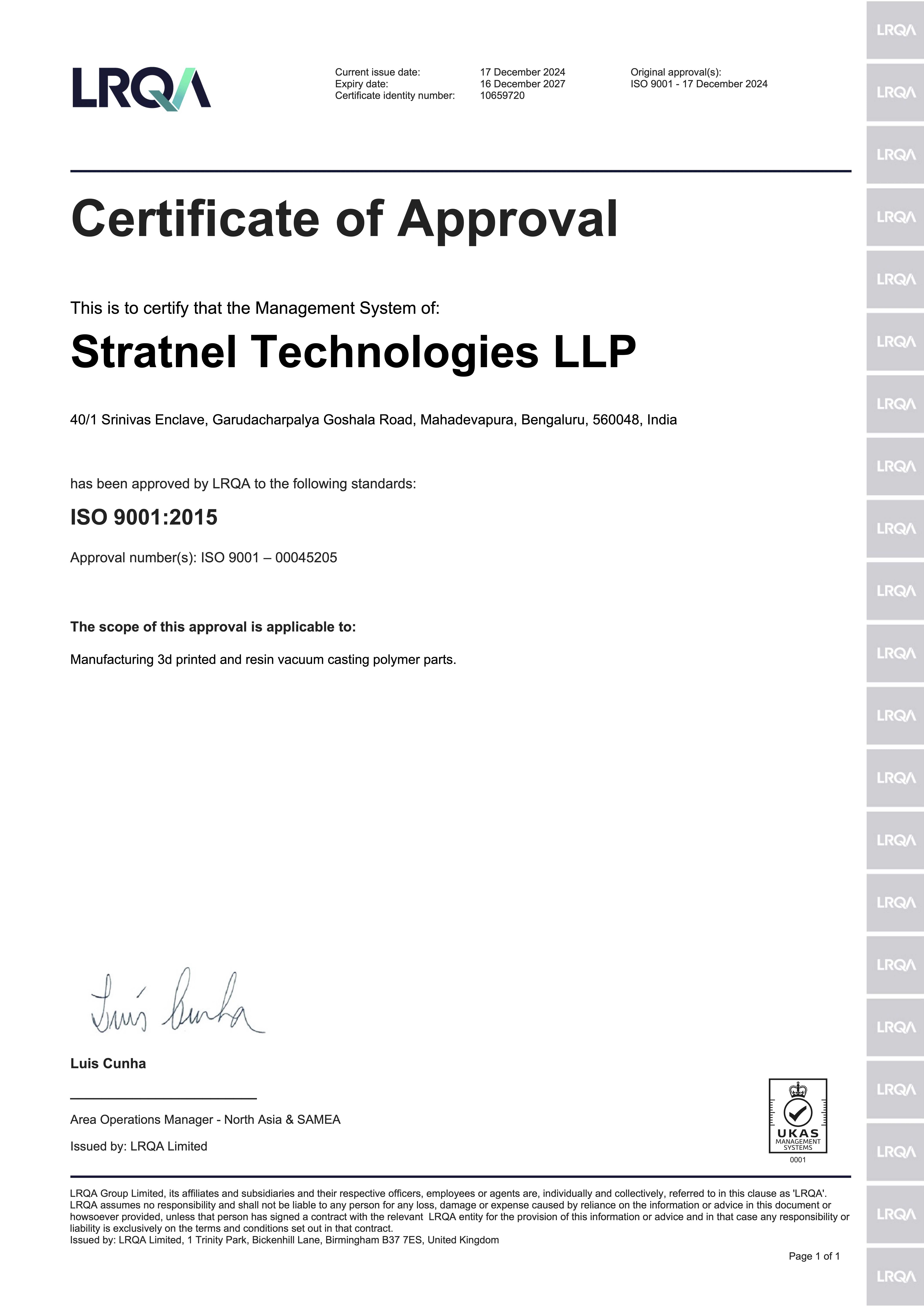
Stratnel Technologies LLP has been certified under ISO 9001:2015 by LRQA — validating our commitment to rigorous quality management across all additive manufacturing services.
Read Post →
As we usher in 2025, Stratnel embraces the tradition of Rangoli at our entrance — a warm, colourful greeting for every client, partner, and visitor who walks through our doors.
Read Post →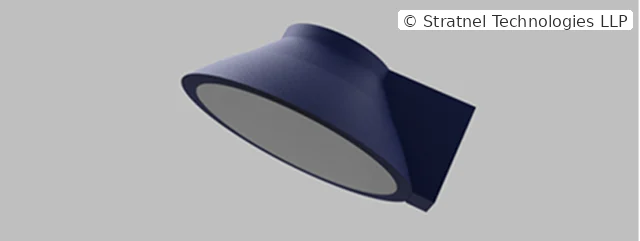
Design parabolic reflectors from first principles using Autodesk Fusion 360 — covering conic sections, the offset distance method, and going from a CAD shell to a 3D printed prototype.
Read Post →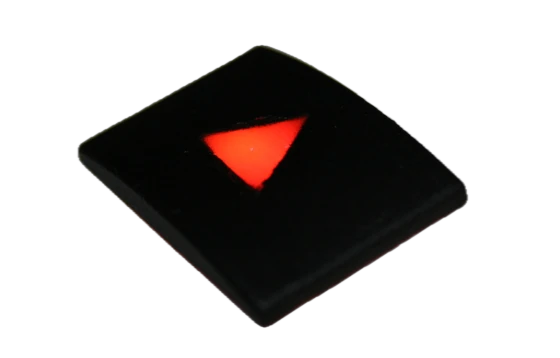
Two practical methods for creating backlit 3D printed parts — from single translucent material with masking and painting, to dual-material prints with built-in light guides for switches, indicators, and panels.
Read Post →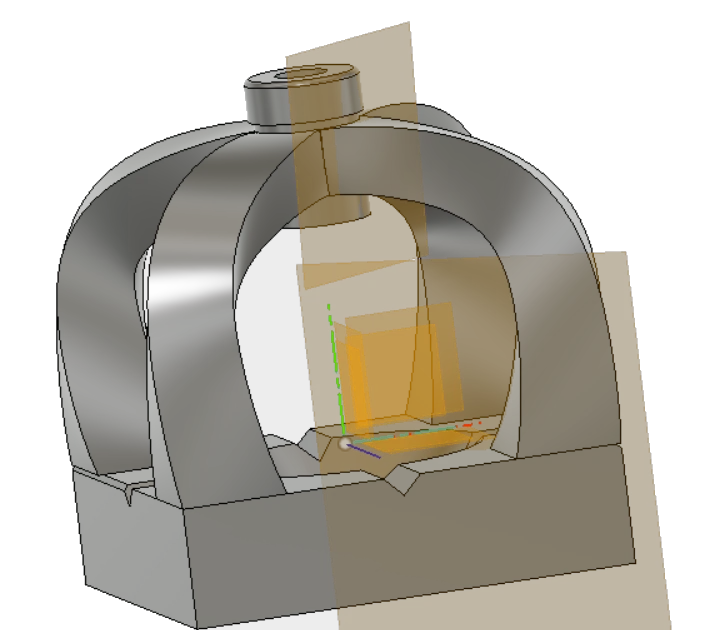
Why traditional design principles fail with 3D printing — and how to design differently. Includes a worked drill jig example designed in Fusion 360 that illustrates the full DFAM shift in thinking.
Read Post →How 3D printed wax-replacement patterns are changing the economics of investment casting for Indian foundries — and what to look for in a pattern supplier.
Coming Soon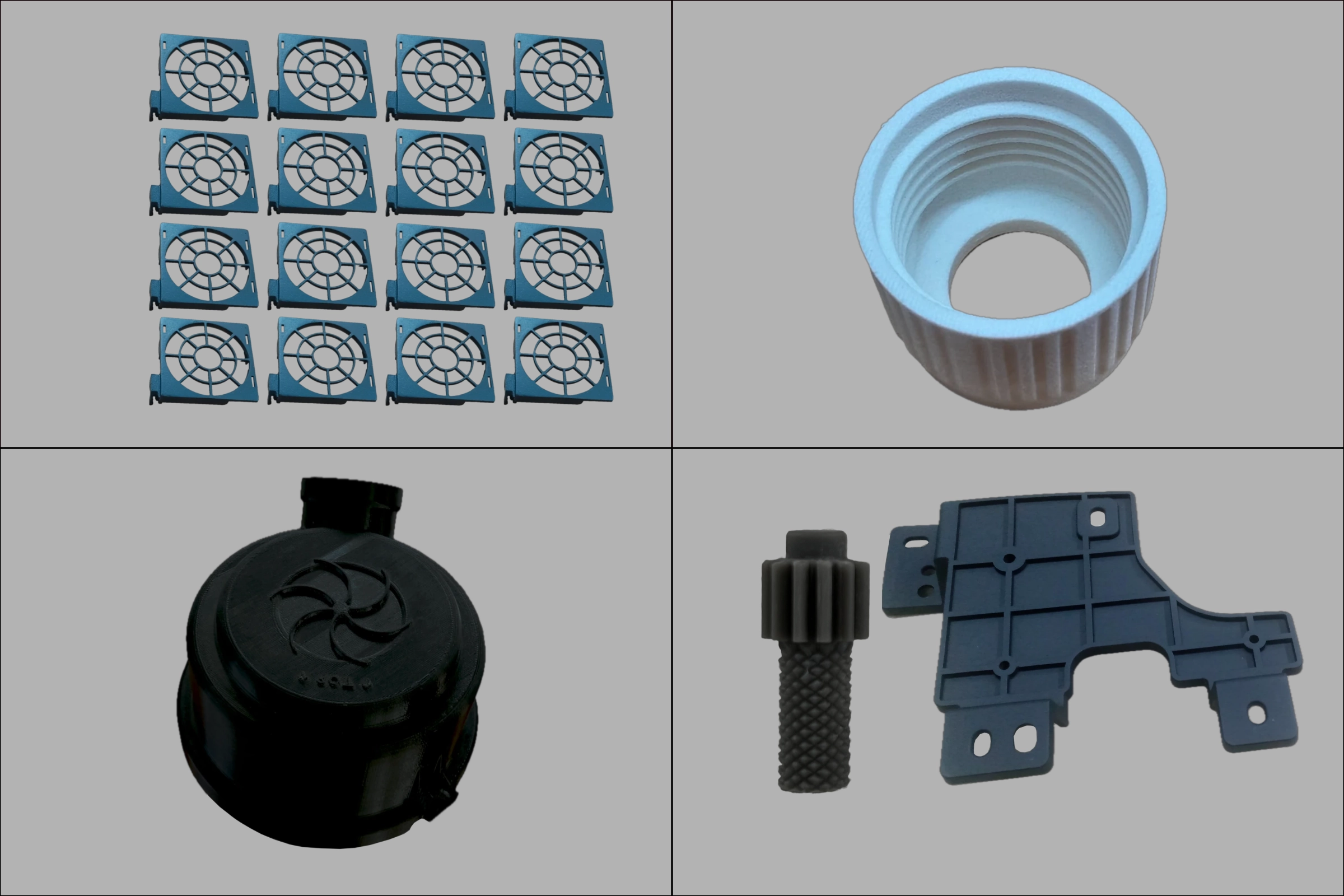
FDM vs SLS vs SLA vs Vacuum Casting — a practical guide for engineers on choosing the right process, with a full technology selection matrix covering surface finish, mechanical performance, materials, and production quantity.
Read Post →When does it make sense to use vacuum casting instead of committing to injection moulding tooling? A cost and timeline comparison for small production runs.
Coming Soon